
Understanding the Role of a Producer in Modern Music

Behind every polished song, memorable album, or breakout single, there is usually a producer helping shape the final result. While listeners often focus on the vocalist, songwriter, or instrumentalist, the producer plays a central role in turning creative ideas into recordings that connect with an audience.

In modern music, production is no longer limited to booking studio time and pressing record. A producer may guide songwriting, arrange instrumentation, manage sessions, edit performances, build sonic identity, and help artists navigate both artistic and commercial decisions. For musicians, labels, and independent creators alike, understanding this role is essential to making better records and stronger creative partnerships.

Why the producer matters in todays recording process

The role of a music producer has expanded dramatically over the past few decades. In earlier eras, producers were often seen primarily as project supervisors who coordinated recording sessions and ensured that a release stayed on schedule and within budget. Today, many producers are deeply involved in the actual sound, structure, and emotional impact of a track.

This shift has happened for several reasons. Recording technology has become more accessible, genre boundaries have become more fluid, and audience expectations for sonic quality have increased. A modern producer often acts as a bridge between creativity and execution. They help artists transform a rough demo, voice memo, or unfinished song into a complete, market-ready recording.

In practical terms, the producer is often the person asking the most important questions during a project. Is the chorus strong enough? Does the arrangement support the lyric? Is the vocal performance emotionally convincing? Should the drums feel tighter, looser, bigger, drier, or more intimate? These questions influence whether a song feels forgettable or compelling.

A producer also provides perspective. Artists are often deeply attached to their ideas, which can make it hard to judge what is working objectively. A skilled producer listens from the viewpoint of both collaborator and audience. They identify what makes a song unique and what might be holding it back.

Core responsibilities of a music producer

Although every project is different, most producers contribute across several key areas. Some focus more heavily on one side of the process than another, but the best producers understand how all of these elements interact.

Creative direction

One of the producers most important jobs is defining the creative direction of a song or project. This does not mean taking control away from the artist. It means helping clarify the artistic vision and making sure each decision supports it.

For example, if an artist wants a track to feel raw and intimate, the producer may recommend fewer layers, a close vocal sound, and more organic imperfections. If the goal is a bold pop anthem, the producer may push for larger drums, stronger hooks, denser harmonies, and more dynamic contrast between sections.

Creative direction can include choices about genre, mood, tempo, instrumentation,

Creative direction can include choices about genre, mood, tempo, instrumentation, vocal style, arrangement, and even lyrical focus. In many cases, the producer helps narrow broad creative ideas into a clear and actionable plan.

Song development and arrangement

Many producers are heavily involved before formal recording even begins. They may help refine chord progressions, adjust song structure, strengthen transitions, or identify where a verse drags and a chorus needs more lift.

Arrangement is one of the most overlooked parts of production. A great arrangement determines how a song unfolds over time. It shapes tension, release, energy, and focus. Producers think carefully about when elements enter and leave, how sparse or dense each section should be, and what details deserve attention.

For instance, a producer might suggest stripping the first verse down to voice and keys so the chorus hits harder when drums and bass arrive. They may add a pre-chorus to build anticipation, cut an unnecessary bridge, or shorten an intro to improve listener retention.

Performance coaching

A producer often acts as a performance coach during recording sessions. Even technically strong musicians can benefit from feedback that helps them deliver a take with more emotion, precision, or character.

With vocalists, this may involve guiding phrasing, dynamics, diction, and emotional intent. A producer might ask for one take that feels conversational, another that feels more vulnerable, and another with stronger projection. With instrumentalists, the producer may focus on groove, articulation, tone, and interaction with other parts.

This coaching role requires both musical knowledge and interpersonal skill. Good producers know how to challenge artists without discouraging them. They understand when to push for another take and when to preserve the spontaneity of an imperfect but emotionally powerful performance.

Sound selection and sonic identity

Modern production often depends on choosing the right sounds as much as writing the right notes. Producers shape sonic identity through decisions about instruments, synthesizer patches, drum samples, amplifiers, microphones, room sound, effects, and texture.

In electronic, pop, hip-hop, and hybrid genres, sound selection can define the entire record. A producer may spend hours finding the right kick drum, layering snare textures, designing bass tones, or creating atmospheric elements that support the vocal. In acoustic or band-based music, they may focus more on capture techniques, instrument combinations, and tonal balance.

This process is part technical and part artistic. A producer needs to know not only what sounds good in isolation, but what works in context. A huge synth pad may seem impressive alone but can overwhelm the vocal. A guitar tone that feels thin soloed may sit perfectly in a dense mix.

Session leadership and workflow management

Production is also about momentum. Recording sessions can lose energy quickly if there is no structure. Producers keep projects moving by organizing priorities, setting goals for each session, and helping everyone stay focused.

That might mean deciding whether to cut rhythm tracks first, whether to comp vocals before moving on, or whether a creative issue should be solved now or revisited later. Efficient workflow saves time, protects budget, and keeps artists in a productive mindset.

In collaborative sessions, the producer often becomes the central point

In collaborative sessions, the producer often becomes the central point of communication between artists, engineers, songwriters, musicians, and label representatives. They help prevent confusion and keep the project aligned with the intended vision.

How the producers role changes across genres

Not all producers work the same way. The role changes depending on genre, production style, and the needs of the artist.

Pop production

In pop, producers are often deeply involved in songwriting, arrangement, vocal production, editing, and overall polish. They may build tracks from scratch, co-write hooks, direct multiple rounds of vocal comping, and shape every section for maximum impact and replay value.

Pop production tends to emphasize clarity, immediacy, and emotional accessibility. Producers in this space often focus intensely on hook strength, low-end balance, vocal presence, and transitions that keep listeners engaged from the first few seconds.

Hip-hop and RB production

In hip-hop and RB, the producer may be the primary architect of the instrumental foundation. Beat creation, sample manipulation, drum programming, harmonic mood, and groove design are often central responsibilities. Producers may also guide topline ideas, vocal tone, ad-libs, and arrangement changes that support the artists delivery.

Because space and feel are so important in these genres, producers must understand how rhythm, texture, and vocal cadence interact. A small change in hi-hat pattern, bass movement, or snare placement can radically alter the energy of a track.

Rock and alternative production

In rock and alternative music, producers often focus on performance capture, arrangement, band chemistry, and sonic coherence. They help bands tighten songs, choose tempos, refine guitar layers, shape drum sounds, and preserve the identity of the group without sacrificing clarity.

These producers frequently make decisions about live tracking versus overdubbing, amplifier choices, room acoustics, and the balance between rawness and polish. Their challenge is often to keep the music emotionally honest while ensuring it translates well on modern playback systems.

Electronic music production

In electronic genres, the producer may also be the composer, arranger, sound designer, programmer, and mix architect. Here, production and composition are often inseparable. The producer builds the entire world of the track, from rhythmic framework to tonal palette to structural evolution.

This requires a strong command of synthesis, automation, effects processing, and digital workflow. It also demands an understanding of how tension and release function in club, festival, streaming, or cinematic contexts.

Producer versus engineer: understanding the difference

One of the most common points of confusion in music production is the distinction between the producer and the engineer. While one person can fill both roles, they are not the same job.

A producer is primarily responsible for the creative and strategic direction of the recording. An engineer is primarily responsible for the technical aspects of capturing, editing, and sometimes mixing audio. The producer decides what should happen artistically. The engineer helps make it happen sonically and technically.

For example, the producer may decide that a vocal should

For example, the producer may decide that a vocal should feel intimate and close. The engineer chooses the microphone, preamp, placement, gain staging, and recording chain that best achieve that result. The producer may request a tighter drum feel. The engineer edits timing or records additional takes to support that goal.

In smaller studios and independent workflows, these roles often overlap. Many modern producers are highly technical and work directly inside a digital audio workstation. Still, the distinction matters because producing is not just about operating software. It is about making musical decisions that serve the song.

For a useful overview of how digital recording systems function, artists can explore digital audio workstation concepts to better understand the environment where much of modern production takes place.

The producers role before, during, and after recording

Production is not a single event. It unfolds in stages, and the producers contribution can be significant at every point.

Pre-production

Pre-production is where many of the most important decisions are made. During this phase, the producer and artist evaluate songs, define goals, choose keys and tempos, test arrangements, and identify what the project needs to succeed.

This stage may involve demo recording, rehearsal feedback, reference listening, and discussions about audience, branding, and release strategy. A producer may help an artist determine whether a song should remain acoustic, become fully electronic, or be rebuilt around a stronger rhythmic idea.

Strong pre-production saves time later. It reduces uncertainty in the studio and allows recording sessions to focus on execution rather than basic problem solving.

Tracking and recording

During recording, the producer supervises performances and ensures that the material being captured supports the vision established in pre-production. They listen for pitch, timing, feel, energy, phrasing, and emotional truth.

They may also make real-time arrangement decisions. If a section feels too busy, they may mute parts. If the chorus lacks impact, they may add harmonies, percussion, or a new counter-melody. If a take feels technically correct but emotionally flat, they may ask for a new approach rather than a cleaner repetition.

Editing and comping

Modern production often includes significant post-recording refinement. Producers may oversee vocal comping, timing edits, tuning decisions, drum cleanup, and arrangement adjustments after the initial session.

This is where taste becomes critical. Editing can improve clarity and professionalism, but over-editing can remove personality and groove. A skilled producer knows when to polish and when to leave human variation intact.

Mix feedback and final delivery

Even if the producer is not mixing the track, they usually play an important role in the mix review process. They help evaluate whether the vocal sits correctly, whether the low end translates, whether effects support the emotion of the song, and whether the overall balance reflects the artistic intent.

They may communicate revisions to the mix engineer, compare versions, and ensure that the final master still feels true to the original vision. In this sense, the producer often remains involved until the project is truly finished.

Essential skills that define a strong modern producer

Essential skills that define a strong modern producer

Great producers are not defined by one skill alone. Their value comes from a combination of musical instinct, technical understanding, leadership, and communication.

Musical literacy

A producer does not need formal conservatory training, but they do need a strong command of musical fundamentals. Understanding rhythm, harmony, melody, arrangement, and song structure allows a producer to make effective decisions quickly.

Knowledge of music theory fundamentals can help explain why certain chords create tension, why a melody feels unresolved, or why an arrangement lacks contrast. This knowledge supports better creative choices across genres.

Technical fluency

Modern producers benefit from understanding recording chains, microphone basics, editing tools, MIDI programming, virtual instruments, signal flow, and session organization. Even if a dedicated engineer handles some tasks, technical fluency improves communication and speeds up decision-making.

Technical skill also expands creative possibilities. A producer who understands automation, layering, transient shaping, or sidechain behavior can solve problems and create textures that elevate a track.

Communication and psychology

Music production is deeply human work. Producers need to communicate clearly, read the emotional state of collaborators, and adapt their feedback style to different personalities.

Some artists respond well to direct critique. Others need encouragement and experimentation before they can access their best performances. Producers must know how to create trust, maintain morale, and protect the creative atmosphere, especially during long or high-pressure sessions.

Decision-making

Endless options can weaken a project. One of the producers greatest strengths is the ability to make timely, confident decisions. Which take is best? Which sound fits the record? Does this bridge improve the song or distract from it? Should the track stay minimal or build further?

Indecision can drain momentum. Strong producers know how to commit without becoming rigid. They keep the process moving while remaining open to better ideas.

How producers help artists build a recognizable sound

One of the most valuable contributions a producer can make is helping an artist develop a distinct sonic identity. In a crowded music landscape, technical quality alone is not enough. Listeners remember artists who sound intentional, cohesive, and authentic.

A producer helps identify recurring strengths in an artists work. Maybe the artist has an unusually expressive lower vocal register, a gift for conversational lyrics, or a natural instinct for melancholic melodies. The producer can shape arrangements and sonic choices that highlight those strengths consistently.

Over time, this creates a signature. It may show up in vocal layering choices, drum character, harmonic language, spatial effects, or the emotional pacing of songs. The goal is not to force a formula, but to reveal what makes the artist recognizable.

This is especially important for emerging artists. A producer can help them avoid chasing every trend and instead build a sound that feels both current and personal. That balance often determines whether a project feels disposable or lasting.

The business side of music production

The business side of music production

Production is creative work, but it also exists within a business framework. Producers often contribute to budgeting, scheduling, deliverables, rights discussions, and project management.

Depending on the agreement, a producer may receive an upfront fee, points on the master, songwriting credit, publishing participation, or some combination of these. Because producer contributions can include composition, arrangement, beat creation, and sonic development, credit structures vary widely.

Clear communication at the start of a project is essential. Artists and producers should discuss scope, deadlines, revisions, ownership, file delivery, and payment terms before work begins. This protects the relationship and reduces misunderstandings later.

In independent music, producers may also advise artists on release preparation, stem exports, versioning, and technical delivery standards for distributors, sync libraries, or mastering engineers. Their role can extend well beyond the creative session.

Common misconceptions about producers

Many people still misunderstand what producers do. These misconceptions can lead artists to underestimate the value of production services or choose collaborators for the wrong reasons.

A producer is not just someone who makes beats

Beat making can be part of production, especially in hip-hop, pop, and electronic music, but production is broader. A producer shapes the full recording experience, including performance, arrangement, tone, pacing, and final impact.

A producer is not only a technician

Knowing how to use software does not automatically make someone a strong producer. Technical skills matter, but production is fundamentally about taste, vision, and the ability to bring out the best in artists and songs.

A producer does not have to dominate the artists vision

Some people assume producers impose their own sound on every project. In reality, the best producers know how to serve the artist. They bring expertise and perspective, but their goal is to strengthen the artists identity, not replace it.

What artists should look for when hiring a producer

Choosing the right producer can have a major impact on the outcome of a project. Artists should evaluate more than just a list of credits or access to gear.

First, listen for compatibility. Does the producer understand the emotional core of the music? Do their past projects show versatility or at least a strong alignment with the artists goals? A producer may be talented but still not be the right fit for a particular sound.

Second, pay attention to communication. A good producer asks thoughtful questions, offers clear ideas, and explains their process in a way that builds confidence. Since production is collaborative, trust and rapport matter as much as technical ability.

Third, consider workflow. Some producers are highly structured, while others are more exploratory. Neither approach is automatically better, but the artist and producer should be compatible enough to work efficiently together.

Finally, discuss expectations early. Clarify whether the producer will help with songwriting, session musician coordination, vocal production, editing, mix notes, and final file delivery. The more clearly the role is defined, the stronger the collaboration tends to be.

Takeaways

The producer is one of the most influential figures in modern music, even when their work happens largely behind the scenes. They shape songs at the level
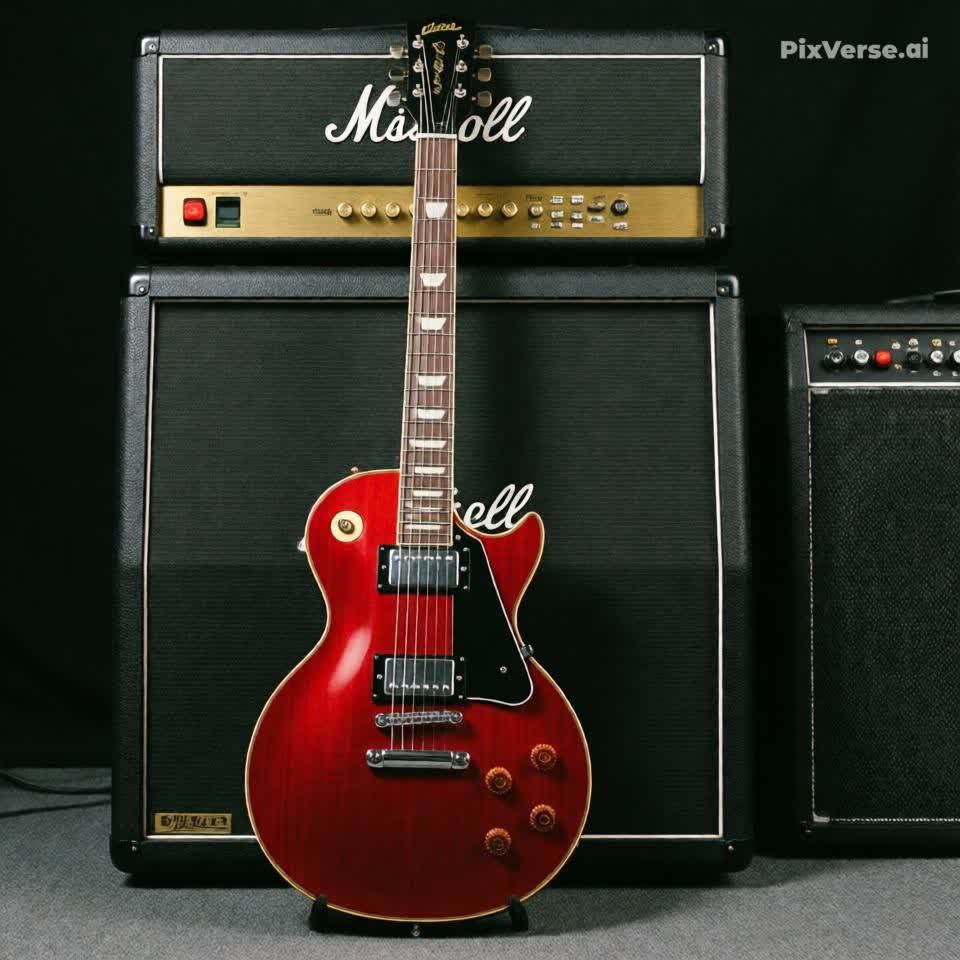

Wanna learn to play guitar? Check us out for lessons

Playing the guitar is a rewarding journey that offers a lifetime of enjoyment and creative expression. Whether you are a complete beginner or someone looking to refine your skills, learning to play the guitar can be an enriching experience. At our music school, we provide comprehensive lessons tailored to meet your individual needs and help you achieve your musical goals.

In this blog post, we will explore the various aspects of learning to play the guitar, from understanding the basics to mastering advanced techniques. We will also discuss the benefits of taking guitar lessons and how our structured program can help you become a skilled guitarist. Let’s delve into the world of guitar playing and how you can get started on your musical journey.

The Basics of Learning Guitar

Starting your guitar journey begins with understanding the fundamental elements of guitar playing. The first step is getting acquainted with the guitar itself, including its parts and how they work together to produce sound. Knowing the different types of guitars, such as acoustic, electric, and classical, can help you decide which one suits your style and interests.

Understanding the Guitar Anatomy

The guitar is comprised of several parts, each playing a crucial role in sound production. The main components include the body, neck, headstock, strings, and frets. Familiarizing yourself with these parts will help you understand how the instrument functions and how to handle it properly.

The body of the guitar is where the sound resonates. Acoustic guitars rely on the hollow body to amplify sound, while electric guitars use pickups to convert string vibrations into electrical signals. The neck is where the fretboard is located, allowing you to change the pitch of the strings by pressing them against the frets.

Choosing the Right Guitar for You

Selecting the appropriate guitar is an essential part of your learning process. Beginners often start with an acoustic guitar due to its simplicity and ease of use. However, if you are interested in rock or metal genres, starting with an electric guitar may be beneficial. Classical guitars are ideal for those interested in classical or flamenco music, offering nylon strings that are gentler on the fingers.

Developing Fundamental Skills

Once you have your guitar, the next step is to develop basic playing skills. This involves learning how to hold the guitar, tuning the strings, and understanding basic chords and strumming patterns.

Proper Posture and Hand Positioning

Maintaining the correct posture while playing the guitar is crucial for comfort and technique. Sit up straight with the guitar resting on your right leg if you are right-handed, ensuring the neck is angled slightly upwards. Your left hand should be positioned to press down on the strings without tension, while your right hand should be free to strum or pick.

Learning to Tune Your Guitar

Tuning your guitar is an essential skill that every guitarist must master. An out-of-tune guitar can hinder your progress and affect the quality of your practice. There are several methods to tune a guitar, including using a digital tuner, a tuning app, or tuning by ear. Consistently practicing tuning will improve your ear for music and ensure your guitar always sounds its best.

Building a Repertoire of Chords and Songs

As you become comfortable with the basics, you can start building a repertoire of chords and songs. This stage of learning is where you begin to see significant progress and enjoyment in your playing.

Mastering Basic Chords

Chords form the foundation of most songs, and learning the basic ones is essential for any guitarist. Start with simple chords like G, C, D, E, and A. Practising these regularly will improve your finger strength and dexterity. As you advance, you can explore more complex chords and variations.

Playing Your First Song

Playing a complete song is a milestone for any beginner guitarist. Choose a simple song with a few basic chords to start with. Songs like “Knockin’ on Heaven’s Door” or “Horse with No Name” are popular choices for beginners due to their simplicity and repetitive chord progressions. As you gain confidence, you can tackle more challenging songs across different genres.

The Advantages of Structured Guitar Lessons

While self-teaching is an option, structured guitar lessons offer several advantages that can accelerate your learning process and enhance your skills.

Personalized Instruction and Feedback

One of the key benefits of taking guitar lessons is receiving personalized instruction from experienced teachers. They can provide feedback on your technique, correct any mistakes, and offer guidance tailored to your specific needs and goals. This personalized approach can significantly improve your learning curve and prevent the development of bad habits.

Access to a Community of Musicians

Joining a music school provides access to a community of fellow musicians. This environment fosters collaboration, inspiration, and motivation. Engaging with peers can lead to opportunities for group performances, jam sessions, and even forming bands. Being part of a musical community can greatly enhance your learning experience and keep you motivated.

Our music school offers a comprehensive program designed to cater to students of all levels. Our experienced instructors are passionate about teaching and helping each student achieve their musical aspirations. We provide a supportive and encouraging environment for all our students, ensuring that you receive the best possible education in guitar playing.

Advanced Techniques and Music Theory

As you progress in your guitar journey, you may want to explore advanced techniques and music theory to further enhance your skills and creativity.

Exploring Advanced Guitar Techniques

Advanced techniques such as fingerpicking, hammer-ons, pull-offs, and slides add complexity and richness to your playing. These techniques require practice and precision but can greatly expand your musical expression. Exploring various techniques allows you to develop a unique style and broaden your musical repertoire.

Understanding Music Theory

Music theory provides a deeper understanding of how music works, enabling you to compose and improvise effectively. Learning about scales, modes, and chord progressions can enhance your ability to create music and communicate with other musicians. For more detailed insights into music theory, you can refer to resources such as the Music Theory website.

Conclusion: Start Your Guitar Journey Today

Learning to play the guitar is an exciting and fulfilling endeavor that offers numerous benefits, from enhancing your cognitive abilities to providing a creative outlet. Whether you are a beginner or an experienced player, taking guitar lessons can help you achieve your musical goals and unlock your full potential.

Our music school is dedicated to providing high-quality guitar lessons tailored to your individual needs. With experienced instructors, a supportive community, and a comprehensive curriculum, we are here to guide you on your musical journey. Start today and discover the joy of playing the guitar.

Embracing the Journey of Guitar Learning

Embarking on the journey of learning guitar is more than just mastering an instrument; it is about embracing a lifelong passion that can bring joy, challenge, and fulfillment. The path of a guitarist is filled with continuous learning, and each stage of progress opens up new avenues for creativity and exploration.

Cultivating Patience and Persistence

One of the most important aspects of learning guitar is cultivating patience and persistence. Mastering an instrument does not happen overnight, and it often requires dedication and consistent practice. Setting realistic goals and celebrating small victories can keep you motivated and prevent burnout. Remember, every great guitarist started as a beginner, and persistence is key to improvement.

Exploring a Wide Range of Music Styles

As you advance in your guitar journey, exploring various music styles can broaden your horizons and enhance your versatility as a musician. From blues and jazz to rock and classical, each genre offers unique techniques and challenges. Experimenting with different styles can also help you discover your personal preferences and influence your playing style.

The Role of Technology in Guitar Learning

In today’s digital age, technology plays a significant role in enhancing the learning experience for guitarists. Access to online resources, apps, and software has made it easier than ever to learn and practice the guitar.

Utilizing Online Tutorials and Resources

The internet is a treasure trove of educational content for guitarists. From video tutorials on platforms like YouTube to detailed articles and courses, aspiring guitarists have access to a wealth of information at their fingertips. Websites such as Justin Guitar offer comprehensive lessons for players of all levels, providing guidance on technique, theory, and song learning.

Incorporating Technology into Practice

Technology can also enhance your practice sessions. Guitar apps and software offer features such as metronomes, tuners, and backing tracks that aid in developing timing, tuning, and improvisation skills. Recording yourself using digital devices can provide valuable insights into your playing and help you track your progress over time.

Preparing for Live Performances

For many guitarists, performing live is the ultimate goal and a rewarding experience that showcases their hard work and talent. Whether you are playing for friends and family or on a professional stage, preparation is crucial for a successful performance.

Building Confidence Through Practice

Confidence is key when it comes to live performances. Regular practice in a variety of settings can help build the confidence needed to perform in front of an audience. Simulating live performance scenarios during practice can prepare you for the real thing, helping to alleviate stage fright and boost your self-assurance.

Engaging with Your Audience

Engaging with your audience is an essential part of any performance. Communicating with your listeners through eye contact, body language, and musical expression can create a memorable and enjoyable experience for everyone involved. Remember to enjoy the moment and share your passion for music with those around you.

Conclusion: Your Musical Journey Awaits

The journey to learning and mastering the guitar is a fulfilling adventure that offers endless possibilities for personal and musical growth. With dedication, the right resources, and support from experienced instructors, you can achieve your goals and enjoy the lifelong benefits of playing the guitar.

Our music school is committed to helping you every step of the way. Whether you are just starting or looking to refine your skills, we offer a nurturing environment that fosters learning and creativity. Start your musical journey with us today and experience the joy and satisfaction that comes with playing the guitar.

For additional background on Wanna learn to play guitar? Check us out, see Wanna learn to play guitar? Check us out.

Official Music Video for Beautiful Liar is Now Available on my YouTube Channel

The official music video for Beautiful Liar is now live on YouTube, and this release marks an exciting new chapter in the song’s journey. For artists building momentum online, a music video is more than a visual companion. It is a powerful promotion tool that can deepen audience connection, increase watch time, encourage shares, and give a song a stronger identity across platforms.

In the world of music promotion, timing, presentation, and storytelling matter. A well-produced video can help transform a track from something listeners enjoy into something they remember, revisit, and recommend. If you have been waiting to experience Beautiful Liar in a new way, now is the perfect time to head to the channel, watch the official video, and see how the visual narrative adds another layer to the song.

Why music videos still matter in modern music promotion

Even in a streaming-first era, music videos remain one of the most effective ways to promote a song. Audio may introduce listeners to a track, but video often creates the emotional memory that stays with them. For independent artists and growing creators, YouTube offers a unique space where music, visuals, audience engagement, and discoverability come together.

There are several reasons music videos continue to play such an important role in promotion:

  • They create a stronger first impression. A compelling visual can make a new release feel bigger, more polished, and more memorable.
  • They increase shareability. Fans are more likely to send a visually striking video to friends, post it on social media, or include it in playlists and reaction content.
  • They support branding. Color palette, styling, performance energy, and editing choices all help define an artist’s identity.
  • They improve audience retention. Visual storytelling can hold attention longer than audio alone, especially on platforms designed for video consumption.
  • They open new discovery paths. YouTube recommendations, search results, and suggested videos can introduce the song to viewers who may not have found it through audio platforms alone.

From a promotional standpoint, releasing the official music video for Beautiful Liar is not just a creative decision. It is a smart strategic move that gives the song another opportunity to connect with both existing supporters and brand-new listeners.

The visual identity behind Beautiful Liar

Every strong music video begins with a concept. Whether the visual approach is cinematic, performance-based, symbolic, minimalist, or narrative-driven, the goal is to amplify the emotional core of the song. With a title like Beautiful Liar, the video naturally invites themes of illusion, attraction, tension, vulnerability, and emotional conflict.

A successful visual identity does not have to be overly complicated. In fact, some of the most effective music videos use focused creative choices to build atmosphere and meaning. Lighting, wardrobe, setting, camera movement, and pacing all work together to shape how audiences interpret the song. When these elements align with the lyrics and mood, the result feels cohesive and intentional.

For a song like Beautiful Liar, viewers may be drawn into visual contrasts such as:

  • Beauty versus deception
  • Intimacy versus distance
  • Truth versus performance
  • Control versus emotional unraveling
  • Fantasy versus reality

These contrasts can be expressed in subtle and powerful ways. A close-up shot can communicate doubt. A mirror can symbolize fractured identity. A shift in color grading can suggest changing emotional states. Fast cuts can heighten tension, while slower scenes can create intimacy and introspection. Video gives a song room to breathe beyond the audio, allowing listeners to experience it with their eyes as well as their ears.

That is one reason official music videos often become defining pieces of an artist’s catalog. They do not simply illustrate a song. They expand it.

How YouTube helps amplify a music release

YouTube remains one of the most important platforms for music discovery and fan engagement. Unlike short-form platforms where content moves quickly, YouTube allows a release to build value over time. A music video can continue attracting views weeks, months, and even years after launch, especially if it is optimized well and resonates with viewers.

For artists promoting a new release, YouTube offers several key advantages:

Search visibility

People search for songs by title, artist name, lyrics, mood, genre, and related topics. A properly titled and described video has strong potential to appear in relevant search results. Including the exact song title, artist name, and official video labeling helps viewers find the content more easily.

Suggested video traffic

One of YouTube’s biggest strengths is its recommendation system. If a viewer watches similar music content, live performances, lyric videos, or artist interviews, they may be shown Beautiful Liar in their suggested feed. This can drive organic discovery beyond the artist’s existing audience.

Long-term audience building

A music video can act as an entry point into the rest of a channel’s content. Once someone discovers one song, they may go on to explore previous releases, behind-the-scenes footage, acoustic sessions, shorts, or upcoming teasers. This creates a pathway from single-viewer interest to long-term fan engagement.

Community interaction

Comments, likes, shares, and subscriptions all contribute to momentum. When fans respond emotionally to a video, they often leave reactions that create social proof for future viewers. A lively comment section can make the release feel active and culturally relevant.

For creators who want to understand how online video ecosystems shape visibility and engagement, the basics of YouTube as a platform help explain why a video release can be such a valuable part of a music promotion strategy.

The role of storytelling in audience connection

One of the biggest reasons official music videos perform well is that they provide story. Human beings are wired to respond to narrative. Even abstract visuals can create emotional progression, tension, and resolution. When a song already carries emotional weight, a thoughtful video can intensify that effect.

Storytelling in a music video can take many forms:

  • Literal narrative: The video follows a clear plot with characters, conflict, and development.
  • Symbolic narrative: The story is expressed through imagery and metaphor rather than direct action.
  • Performance narrative: The artist’s delivery becomes the emotional center, often supported by visual motifs.
  • Hybrid format: Performance scenes are intercut with story-driven sequences.

For a song like Beautiful Liar, storytelling can deepen the emotional complexity of the title itself. The phrase suggests attraction mixed with betrayal, charm layered over dishonesty, and the confusion that comes when someone appears irresistible yet cannot be trusted. Those ideas are powerful because they are relatable. Many listeners have experienced situations where emotion blurred judgment.

When the video captures that feeling effectively, it gives fans something to interpret and discuss. That discussion matters. It extends the life of the release. People replay scenes, quote lyrics, debate meanings, and share favorite moments. All of that strengthens organic promotion.

What fans can expect from the official video experience

Watching an official music video is different from simply hearing a song in the background. It is a focused experience. The audience is invited to engage with the release as a complete artistic statement, where sound and image work together.

With Beautiful Liar, viewers can expect the official video to offer:

  • A stronger emotional entry point into the song
  • Visual cues that shape interpretation
  • A more immersive atmosphere
  • Memorable imagery that reinforces the title and theme
  • A polished presentation that elevates the release

This matters because fans often form their strongest attachment to songs through moments. Sometimes it is a lyric. Sometimes it is a melody. Sometimes it is a single unforgettable visual scene that becomes inseparable from the track. Once that happens, the song takes on a larger identity in the listener’s mind.

For artists promoting original music, this kind of identity-building is essential. It helps a release stand out in a crowded digital environment where thousands of songs compete for attention every day.

Music promotion benefits of launching an official video now

Releasing an official video can reignite interest in a song, even if listeners have already heard the audio version. In many cases, the video acts like a second launch. It gives fans a reason to return, react, and engage again. This can be especially useful when building sustained momentum around a release rather than relying on a single drop date.

Some of the key promotional benefits include:

Renewed attention across platforms

A video release creates fresh content to share on YouTube, Instagram, TikTok, Facebook, X, and other platforms. Short clips, teaser edits, still frames, quote graphics, and behind-the-scenes snippets can all be repurposed from the main video.

Improved press and blog opportunities

Writers, playlist curators, and media outlets are often more likely to feature a song when there is a strong visual asset attached. A video gives them something richer to discuss, embed, and present to their audience.

Higher fan engagement

Fans are more likely to comment on visuals than audio alone. They can react to scenes, symbolism, styling, acting, choreography, location choices, and editing. This expands the conversation around the release.

Greater replay value

People frequently rewatch videos to catch details they missed the first time. That repeat engagement can boost watch metrics and strengthen the video’s overall performance.

Stronger artist positioning

An official music video signals seriousness, investment, and creative direction. It shows that the artist is building a world around the music, not just uploading tracks.

These benefits are particularly important in music promotion because attention is rarely won through one action alone. It usually comes from layering multiple touchpoints, and a video is one of the most effective layers an artist can add.

How visual releases support artist branding

Branding in music is not just logos and fonts. It is the emotional and aesthetic impression people associate with an artist. Every release contributes to that impression, and official videos are among the strongest branding tools available.

Through a video, an artist can communicate:

  • Tone and attitude
  • Fashion and visual style
  • Performance energy
  • Creative ambition
  • Genre positioning
  • Emotional depth

If Beautiful Liar presents a moody, polished, emotionally charged visual world, that world becomes part of how audiences remember the artist. It can influence future expectations, strengthen recognition, and make promotional materials more cohesive across every platform.

Consistency plays a major role here. When the thumbnail, channel art, social teasers, and video aesthetic all align, the release feels intentional. That kind of consistency builds trust and professionalism, both of which matter when trying to turn casual viewers into loyal supporters.

For those interested in how visual media shapes communication and perception, visual media and audience interpretation offers useful context for why images can be so influential in shaping meaning.

Best ways to support the Beautiful Liar video release

If you want to help the official video reach more people, there are several simple and effective actions you can take. Fan support has a real impact, especially in the early stages of a release. Engagement signals can help increase visibility and encourage more viewers to give the video a chance.

Watch the full video

Completing a full watch helps more than clicking in for a few seconds. Audience retention is one of the clearest signs that viewers are genuinely interested in the content.

Like and comment

A thoughtful comment can do more than many people realize. It adds activity to the video, encourages discussion, and gives future viewers a sense that the release is connecting with people.

Share it with intention

Instead of only posting a generic link, tell people why they should watch. Mention what stood out to you, such as the emotion, concept, visuals, or a specific scene.

Add it to playlists

Including the video in themed playlists can help extend its reach and make it easier for others to discover later.

Use clips for social conversation

If permitted by the artist’s sharing preferences and platform rules, short reactions or favorite-moment posts can spark curiosity and send more viewers to the full video.

Support is not only about numbers. It is also about participation. When fans engage sincerely, they help build a culture around the release.

Behind the scenes value and content expansion opportunities

An official music video does not have to be the end of the promotional cycle. In fact, it can become the center of a much broader content strategy. Once the main video is live, artists can continue building attention by expanding the story around it.

Examples of follow-up content include:

  • Behind-the-scenes footage from the shoot
  • Director or artist commentary
  • Short-form teaser edits for social platforms
  • Still-image carousels from key scenes
  • Lyric-focused visual clips
  • Fan reaction compilations
  • Acoustic or alternate performance versions

This kind of expansion helps maximize the value of the original production. It also gives different audience segments multiple ways to connect. Some people love polished cinematic videos. Others are drawn to the human side of the process, such as rehearsals, outtakes, or candid creative decisions.

For music promotion, this matters because every piece of content can lead viewers back to the official release. The more pathways there are, the more chances the song has to grow.

Why Beautiful Liar has strong potential for repeat engagement

Some songs are immediate and catchy. Others reveal more with each listen. When a release combines emotional tension, memorable phrasing, and strong visuals, it often earns repeat engagement. That is the sweet spot where promotion becomes more organic because people return voluntarily.

Beautiful Liar has the kind of title that naturally invites curiosity. It suggests conflict, seduction, contradiction, and emotional stakes. Those qualities are ideal for visual storytelling and audience discussion. A viewer may watch once for the song, then again for the details, then again to share it with someone else.

Repeat engagement matters because it helps build stronger audience signals over time. It also indicates genuine connection rather than passive exposure. In practical terms, a video that people revisit is far more valuable than one that gets a quick burst of clicks and disappears.

That is why an official music video can become one of the most important assets in a release campaign. It gives the song a durable form that people can return to whenever they want to relive the experience.

Turning a video release into long-term channel growth

While the immediate goal may be to promote Beautiful Liar, the bigger opportunity is channel growth. Every new release can introduce viewers to the broader creative catalog. If the channel is organized well, a successful video can lead to more subscriptions, more session time, and more interest in future projects.

To support long-term growth, it helps when the channel includes:

  • Clear playlists for singles, videos, live performances, and extras
  • Consistent thumbnails and visual branding
  • Descriptions that help viewers explore more content
  • Community engagement through comments and posts
  • A release rhythm that keeps the audience interested

In that sense, the official video for Beautiful Liar is both a standalone artistic release and a gateway. It can attract attention now while also setting the stage for what comes next. That is the kind of momentum artists need when building a sustainable online presence.

Takeaways

The official music video for Beautiful Liar is now available on YouTube, and it represents far more than a routine upload. It is a major promotional moment, a visual extension of the song, and a meaningful opportunity for deeper audience connection. In today’s digital music landscape, strong visuals can help a release travel farther, resonate longer, and stand out more clearly.

Whether you are already a fan of the track or discovering it for the first time, the video offers a fuller way to experience Beautiful Liar. From storytelling and atmosphere to branding and discoverability, this release has all the ingredients to make a lasting impression. Now is the perfect time to watch the official video on the YouTube channel, join the conversation, and be part of the momentum as Beautiful Liar continues to reach new listeners.

We can mix and master your track all at once for one low price!

In the world of music production, achieving the perfect sound for your track is crucial. Whether you’re an independent artist, a band, or a producer, the process of mixing and mastering can make or break your music. This is where professional production services come into play, offering the expertise needed to elevate your track to a professional level. Our unique service promises to mix and master your track all at once for one low price, ensuring that your music sounds its best without breaking the bank.

This comprehensive approach not only saves you time and money but also provides a streamlined process to get your music from the studio to the audience with ease. In this post, we will explore the benefits, process, and importance of mixing and mastering, and how our service can make a significant difference in your music production journey.

Understanding the Importance of Mixing and Mastering

Before diving into the benefits of our all-in-one service, it is essential to understand what mixing and mastering entail and why they are so crucial. Mixing and mastering are two distinct stages in the music production process, each with its own set of objectives and techniques.

What is Mixing?

Mixing is the process of combining and balancing individual audio tracks to create a cohesive and polished final product. This involves adjusting levels, panning, equalization, compression, and adding effects such as reverb and delay. The goal is to ensure that each element of the track is heard clearly and contributes to the overall sound.

Mixing requires a keen ear and an understanding of musical

Mixing requires a keen ear and an understanding of musical elements to bring out the best in each track. It is during this stage that the artistic vision of the song is shaped, ensuring that the track aligns with the intended mood and style.

What is Mastering?

Mastering is the final step in the audio post-production process. It involves enhancing the overall sound of the track, ensuring it translates well across various playback systems, such as headphones, car speakers, and streaming platforms. The mastering process includes fine-tuning the overall EQ, adjusting dynamics, and setting the appropriate loudness level for distribution.

Mastering also involves sequencing the tracks if the project is an album, ensuring a smooth transition from one song to the next. The ultimate goal is to create a polished and professional sound that stands up to industry standards.

The Benefits of an All-in-One Mixing and Mastering Service

By combining mixing and mastering into a single service, we offer musicians and producers a range of benefits that can significantly enhance their production process. Here are some of the key advantages:

Cost-Effectiveness

One of the primary benefits of an all-in-one service is cost-effectiveness. Typically, artists need to hire separate professionals for mixing and mastering, leading to higher expenses. Our service combines these stages, allowing you to save money while still receiving high-quality results.

Time Efficiency

In the fast-paced music industry, time is of the essence. By handling both mixing and mastering simultaneously, we streamline the production process, reducing the time it takes to prepare your track for release. This efficiency allows you to focus on other aspects of your music career, such as promotion and live performances.

Consistency in Sound

When the same team handles both mixing and mastering, there

When the same team handles both mixing and mastering, there is a greater level of consistency in the sound. The professionals working on your track have a complete understanding of its elements and can ensure that the final product retains its intended artistic vision. This consistency is crucial for maintaining the integrity of your music.

Enhanced Communication

Working with a single team for both mixing and mastering facilitates better communication. Any adjustments or changes can be easily communicated and implemented, ensuring that the final product meets your expectations. This seamless communication reduces the risk of misunderstandings and enhances the overall quality of the track.

Our Mixing and Mastering Process

Our all-in-one service follows a meticulous process to ensure that your track receives the attention and detail it deserves. Here is an overview of the steps involved:

Initial Consultation

We begin with an initial consultation to understand your vision, goals, and any specific requirements for your track. This discussion lays the foundation for the entire process, allowing us to tailor our approach to your unique needs.

Track Analysis

Our team conducts a thorough analysis of your track, identifying strengths and areas for improvement. This analysis helps us develop a plan to enhance the overall sound, ensuring that each element is optimized for the final mix and master.

Mixing Stage

During the mixing stage, our engineers meticulously balance and blend the individual tracks. We apply EQ, compression, and other effects to enhance the sound, ensuring that each instrument and vocal is clearly defined. Our goal is to create a cohesive mix that aligns with your artistic vision.

Mastering Stage

After the mixing is complete, we proceed to the mastering

After the mixing is complete, we proceed to the mastering stage. Our engineers enhance the overall sound, ensuring it meets industry standards for loudness and quality. We fine-tune the EQ, dynamics, and stereo image, preparing your track for distribution across various platforms.

Review and Revisions

Once the initial mix and master are complete, we provide you with the opportunity to review the track. We welcome your feedback and make any necessary revisions to ensure that the final product meets your expectations. Your satisfaction is our top priority.

Why Choose Our Service?

Our commitment to quality and customer satisfaction sets us apart from other production services. Here are some reasons why you should choose our all-in-one mixing and mastering service:

Experienced Professionals

Our team consists of experienced professionals with a proven track record in the music industry. We have worked with a diverse range of genres and artists, bringing a wealth of knowledge and expertise to every project.

State-of-the-Art Equipment

We utilize state-of-the-art equipment and software to ensure the highest quality results. Our studio is equipped with industry-standard tools that allow us to deliver exceptional sound quality and precision.

Personalized Approach

We understand that every track is unique, and we tailor our approach to meet your specific needs. Our personalized service ensures that your artistic vision is realized, and your music stands out in a competitive industry.

Takeaways

Mixing and mastering are critical components of the music production process, and our all-in-one service offers an efficient, cost-effective solution for artists and producers. By combining these stages into a single service, we provide a streamlined process that enhances the quality, consistency, and overall sound of your music.

Whether you're an emerging artist or an established musician, our

Whether you’re an emerging artist or an established musician, our comprehensive service can help you achieve the professional sound you need to succeed. Contact us today to learn more about how we can elevate your music to the next level.

For more information on the technical aspects of sound production, you might find this resource helpful.

Additional Considerations for Successful Music Production

While mixing and mastering are fundamental to the production process, there are several other aspects that musicians and producers need to consider to ensure the success of their music. Understanding these elements can further enhance your music and ensure it resonates with your audience.

Pre-Production Planning

Before you even begin recording, pre-production planning is crucial. This phase involves songwriting, arrangement, and rehearsal. By taking the time to plan and prepare, you can enter the recording phase with a clear vision and reduce the time and resources needed later on. Effective pre-production can identify potential challenges and help streamline the entire process.

Choosing the Right Recording Environment

The recording environment can significantly impact the quality of your sound. Whether you choose a professional studio or a home setup, it’s essential to ensure that the acoustics support your recording needs. Consider factors like room size, soundproofing, and equipment placement to create the best possible environment for capturing high-quality audio.

Collaboration and Feedback

Collaboration can be a powerful tool in music production. Working with other musicians, producers, or sound engineers can bring new perspectives and ideas to your project. Additionally, seeking feedback from trusted sources during the production process can provide valuable insights and help you make informed decisions about your music.

Staying Updated with Industry Trends

Staying Updated with Industry Trends

The music industry is constantly evolving, with new trends and technologies emerging regularly. Staying informed about these changes can help you make strategic decisions about your music production and distribution. Engage with industry news, attend workshops, and connect with other professionals to stay ahead of the curve.

Marketing and Promotion

Once your track is mixed and mastered, the next step is getting it heard by your audience. Effective marketing and promotion strategies are essential to ensure your music reaches the right listeners. Utilize social media platforms, music streaming services, and live performances to build your audience and create a buzz around your release.

Final Thoughts on Mixing and Mastering Services

In conclusion, the journey from initial concept to a polished, professional track involves multiple stages, with mixing and mastering playing pivotal roles. Our all-in-one service not only simplifies this journey but also offers a comprehensive solution that aligns with your artistic goals. By entrusting your music to experienced professionals, you can focus on what you do best: creating music.

We invite you to explore how our services can enhance your production process and help you achieve the sound you’ve always envisioned. For further insights into music production techniques, consider exploring resources like this educational site.

Ultimately, our goal is to empower artists and producers by providing the tools and expertise needed to succeed in the competitive music industry. Whether you’re embarking on your first project or refining your latest masterpiece, our mixing and mastering service is designed to support your creative journey every step of the way.

Say It Louder LP is now on all streaming services worldwide

The music scene has been set abuzz with the recent release of “Say It Louder,” an LP that promises to redefine genre boundaries and reach new heights of artistic expression. Available on all streaming platforms worldwide, this album is not just a collection of tracks, but a statement of intent from the artist Stacy Lynx. Music lovers from every corner of the globe now have the opportunity to experience its auditory richness and lyrical profundity with just a click.

As the LP continues to gain traction, it’s crucial for both fans and those new to the artist’s work to understand the significance of this release. This post delves into the album’s themes, its journey to being available worldwide, and what it means for the artist and the music industry as a whole.

The Journey to Global Availability

In the digital age, the path to having music available on a global scale is a combination of technology, strategy, and artistry. For “Say It Louder,” the journey began long before the album hit streaming services. Stacy Lynx, known for her meticulous approach to music production, spent countless hours in the studio perfecting each track. This dedication to quality is evident in every note and lyric.

The decision to release the LP on all streaming platforms was made to ensure maximum accessibility. Platforms like Spotify, Apple Music, and Amazon Music provide the infrastructure to reach millions of listeners worldwide. By leveraging these services, Stacy has tapped into a global audience, offering them an opportunity to experience the album in high fidelity.

Strategic Release Planning

Releasing music globally isn’t just about uploading tracks to a platform. It requires strategic planning and timing. Stacy and her team carefully selected the release date to coincide with major music events and holidays, maximizing exposure and anticipation. This strategic approach is crucial for standing out in the crowded music landscape.

Moreover, the artist engaged in promotional activities leading up to

Moreover, Stacy engaged in promotional activities leading up to the release. Social media teasers, interviews, and exclusive listening parties helped generate buzz and build a sense of community among fans. These efforts were instrumental in the LP’s successful launch.

Exploring the Album’s Themes

“Say It Louder” is a profound exploration of themes that resonate with listeners from diverse backgrounds. The album delves into topics such as personal growth, social justice, and the complexity of human emotions. Each track tells a story, inviting listeners to reflect on their own experiences and the world around them.

Personal Growth and Self-Discovery

One of the central themes of the LP is personal growth and self-discovery. The artist uses their lyrics to narrate a journey of introspection and transformation. This theme is particularly relevant in today’s fast-paced world, where individuals constantly seek meaning and purpose.

Alcohol and Drug Addiction

One of the lead concepts of “Say It Louder” LP is the reoccurring theme of battling with drug and alcohol addiction. The song “Empty Glasses” is a direct story about the ups and downs of alcohol addition. Likewise the song “Brain-Rot Queen” is a story about fighting to give up drug addiction and the perils of withdrawal symptoms.

Social Justice and Advocacy

Another significant theme is social justice. The artist is known for their commitment to advocacy, and this is reflected in tracks that address issues such as inequality and human rights. “Burning Down” is a call to action against a tyrannical regime to burn down everything they have imposed on the nation. Plus the title track, “Say It Louder” is about trying to get the message across to people who just don’t understand or won’t wake up and pay attention to what’s happening in the world.

The Impact on the Music Industry

The release of “Say It Louder” on all streaming services represents a shift in how music is distributed and consumed. It highlights the growing importance of digital platforms in the music industry and the opportunities they present for artists to reach wider audiences.

Changing Dynamics of Music Distribution

Historically, music distribution was limited to physical formats such as CDs and vinyl records. However, the advent of digital platforms has revolutionized the industry. Streaming services have become the dominant mode of music consumption, providing artists with unprecedented reach. This shift has democratized music distribution, allowing independent artists to compete with major labels on a more level playing field.

Historically, music distribution was limited to physical formats such as

Furthermore, the global availability of music has led to increased cultural exchange and collaboration across borders. Artists are now able to draw inspiration from diverse musical traditions, fostering innovation and creativity in the industry.

Opportunities for Emerging Artists

The success of “Say It Louder” on streaming platforms underscores the potential for emerging artists to gain visibility and build a fanbase. By leveraging digital tools and platforms, new artists can distribute their music without the need for traditional gatekeepers. This democratization of music distribution has led to a more vibrant and diverse musical landscape.

Additionally, streaming platforms provide valuable data and insights into listener preferences, enabling artists to tailor their promotional strategies and connect with their audience more effectively. This data-driven approach is transforming the way artists engage with fans and build their careers.

Conclusion: A New Chapter in Music

The release of “Say It Louder” on all streaming services worldwide marks a significant milestone for Stacy and the music industry. It is a testament to the power of digital platforms in amplifying artistic expression and reaching global audiences. As the LP continues to captivate listeners, it serves as a reminder of music’s universal language and its ability to bring people together.

Looking ahead, the success of “Say It Louder” sets a precedent for future releases. It highlights the importance of strategic planning, thematic depth, and digital engagement in achieving global impact. For fans and industry professionals alike, this LP is more than just a collection of songs; it is a celebration of creativity and innovation in the digital age.

The album's themes of personal growth and social justice resonate

The album’s themes of personal growth and social justice resonate with contemporary listeners, offering both entertainment and inspiration. As we continue to embrace digital platforms, the music industry is poised for further transformation, with “Say It Louder” leading the way.

For those interested in exploring the intricacies of music streaming and its impact on the industry, the International Federation of the Phonographic Industry provides a wealth of information on the subject. Their insights into global music streaming trends offer a deeper understanding of the forces shaping today’s music landscape.

Enhancing Listener Engagement

The global accessibility of “Say It Louder” significantly enhances listener engagement by providing multiple touchpoints for interaction. Streaming platforms offer features such as curated playlists, algorithm-driven recommendations, and user-generated playlists, all of which contribute to increased discoverability of the album. These features ensure that listeners who may not have actively sought out the album can stumble upon it, thereby broadening the artist’s reach.

Moreover, the ability to access the album anytime and anywhere allows listeners to integrate the music into their daily lives seamlessly. Whether during a commute or a workout session, the album becomes a companion to various activities, deepening the listener’s connection to the music.

Interactive Features and Fan Engagement

Interactive features on streaming platforms also play a crucial role in fan engagement. Options such as sharing tracks on social media, creating collaborative playlists, and participating in discussions about the album foster a community around the music. Fans are not just passive consumers; they become active participants in promoting and discussing the album.

Additionally, streaming platforms often host exclusive content such as behind-the-scenes videos, interviews, and live sessions. These offerings provide fans with a more intimate glimpse into the artist’s creative process, strengthening the bond between the artist and their audience.

Additionally, streaming platforms often host exclusive content such as behind-the-scenes

The Role of Technology in Music Promotion

Technology continues to be a driving force in music promotion, with streaming services at the forefront of this evolution. The release of “Say It Louder” on these platforms exemplifies how technology can be harnessed to amplify an artist’s message and reach.

Data Analytics and Insights

One of the most significant advantages of digital platforms is the wealth of data analytics they provide. Artists and their teams can access detailed insights into listener demographics, geographic reach, and streaming habits. This data enables them to tailor marketing strategies, plan tours, and create targeted content that resonates with their audience.

For instance, if data reveals that a significant portion of streams comes from a particular region, the artist might consider scheduling a concert tour in that area. This strategic use of data ensures that promotional efforts are effective and aligned with audience preferences.

Innovative Marketing Strategies

The digital era has paved the way for innovative marketing strategies that leverage technology to engage audiences. Social media platforms, in particular, are powerful tools for artists to connect with fans and promote their music. Creative campaigns, such as virtual listening parties and interactive Q&A sessions, offer fans unique experiences related to the album.

Furthermore, collaborations with influencers and content creators can amplify the album’s reach. By partnering with individuals who have a substantial following, artists can tap into new fan bases and increase their visibility.

The Future of Music Distribution

The success of “Say It Louder” on streaming platforms points to a promising future for music distribution. As technology continues to evolve, new opportunities will arise for artists to share their work with the world.

Emerging technologies such as virtual reality (VR) and augmented reality (AR) hold the potential to revolutionize how music is experienced. Imagine a virtual concert where fans can interact with the artist and other attendees in real-time, all from the comfort of their homes. Such advancements could redefine live music experiences, making them more accessible and immersive.

Moreover, blockchain technology presents possibilities for fairer compensation models for artists. By using blockchain to manage music rights and royalties, artists could receive more transparent and equitable compensation for their work. This shift could address long-standing concerns about revenue distribution in the music industry.

Conclusion: Embracing a New Era of Music

“Say It Louder” serves as a beacon of what is possible in the modern music landscape. Its availability on all streaming services underscores the importance of embracing digital platforms and leveraging technology to reach global audiences. For artists, this means adopting a forward-thinking approach to music creation and promotion, one that prioritizes accessibility, engagement, and innovation.

As listeners, we stand to benefit from this new era of music, where diverse voices and stories are more accessible than ever before. The future holds exciting prospects for both artists and fans, with technology continuing to break down barriers and create new opportunities for connection.

For those interested in exploring how technology is shaping the music industry, the Musician Wave offers insightful perspectives on the subject. Their articles provide a comprehensive look at the ways in which technology is transforming music production, distribution, and consumption.

New Album Just Dropped!

We are proud to announce the release and availability of Stacy’s newest album called Say it Louder. It is now on all streaming services worldwide so make sure you search for Stacy or check out our music tab on this site.

New Releases NOW!!

We have 3 new releases coming from Stacy Lynx, including a 4 track EP featuring the song Empty Glasses, and then Rust in my Veins as a single. This week will be the single for Beautiful Liar being released. Remember we are on 150 streaming services worldwide including Spotify, Apple Music, Amazon Music, and YouTube.